Health Conditions
Heart-Healthy Foods: Shopping List
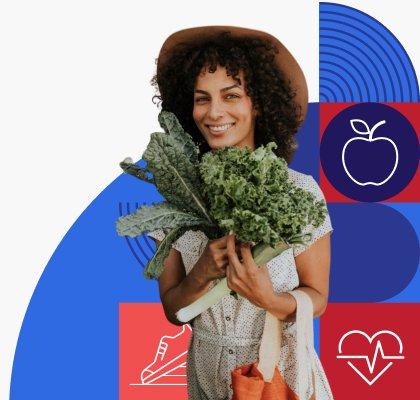
When it comes to your heart, what you eat matters. Follow these tips for heart-healthy eating:
- Eat real food. Prioritize a diet built on whole, nutrient-dense foods.
- Avoid highly processed foods, added sugars, and refined carbohydrates. Avoid highly processed packaged, prepared, ready-to-eat foods that are high in sodium (salt) and added sugars (from table sugar, syrups, and honey). These foods include snacks, desserts, and candy.
- Limit added sugars to 10 grams or less at each meal. Keep in mind that no amount of added sugar is recommended as part of a healthy diet.
- Limit saturated fat to 10% or less of your daily calories. For example, if you’re eating 2,000 calories a day, aim for less than 200 calories (about 20 grams) of saturated fat. Try cutting back on fatty meats and high-fat dairy products. Limit foods like pizza, burgers, and creamy sauces or gravy.
- Cut down on sodium. Read the Nutrition Facts label and choose foods that are lower in sodium. Look for foods labeled “low sodium” or “no salt added” — like some canned soups, canned vegetables, packaged meals, and snack foods.
- Get more fiber. It helps keep your digestion regular and supports heart health. Eat vegetables, fruits, beans, and whole grains to add fiber to your diet.
Take this list with you the next time you go food shopping.
Protein Foods
Choose a variety of nutrient-dense foods with protein. Options include:
- Seafood — fish and shellfish
- Poultry — chicken or turkey breast without skin or lean ground chicken or turkey (at least 93% lean)
- Lean meats — like pork shoulder, beef sirloin, or lean ground beef (at least 93% lean)
- Beans, peas, and lentils — like black beans and garbanzo beans (chickpeas)
- Eggs
- Unsalted nuts, seeds, and nut butters — like almond or peanut butter
- Soy — like tofu
Dairy
Look for fat-free or low-fat options with no added sugars, like:
- Fat-free or low-fat (1%) milk
- Fat-free or low-fat plain yogurt
- Fat-free or low-fat cheese or cottage cheese
- Lactose-free or lactose-reduced products and fortified dairy alternatives like soy beverages (soy milk) or soy yogurt
Vegetables and Fruits
Eat a variety of vegetables and fruits — including options that are fresh, frozen, canned, or dried. Try:
- Fresh vegetables like tomatoes, cabbage, okra, edamame, and carrots
- Leafy greens like Romaine lettuce, spinach, bok choy, and kale
- Canned vegetables that are low in sodium
- Frozen vegetables without added butter or sauces, like broccoli or cauliflower
- Fresh fruits like apples, oranges, bananas, mangoes, guava, and papaya
- Canned, frozen, or dried fruit without added sugars
Farmers markets are great places to buy vegetables and fruits that are in season. Find a farmers market near you.
To get the best price on fresh produce, try buying vegetables and fruits when they’re in season. When the vegetables and fruits you want aren’t in season, check out frozen, dried, or canned options, which are just as nutritious, can be more affordable, and last longer. Choose options with little or no added sugar or sodium.
Healthy Fats
Replace saturated fat with foods that have healthier unsaturated fats — like seafood, nuts, seeds, avocados, and oils. Try these healthy swaps:
- Vegetable oil (canola, corn, olive, peanut, safflower, soybean, or sunflower) instead of butter for cooking
- Low-fat or light mayonnaise instead of full-fat mayo
- Oil-based salad dressings like balsamic vinaigrette or Italian instead of creamy dressings like ranch
Vegetable oils are usually healthy choices — just avoid coconut and palm oils, which are high in saturated fat. Some margarines and other soft spreads may have less saturated fat than butter — check the Nutrition Facts label and look for options with less saturated fat.
Whole Grains
For products with more than 1 ingredient, make sure whole wheat or another whole grain is listed first in the ingredient list. Look for products that say 100% whole grain. You might try:
- Whole-grain bread, bagels, English muffins, and tortillas
- Whole-grain hot or cold breakfast cereals with no added sugar, like oatmeal or shredded wheat
- Whole grains like brown or wild rice, quinoa, or oats
- Whole-wheat or whole-grain pasta and couscous
Avoid highly processed, refined carbohydrates (processed to remove fiber and nutrients) like white bread, ready-to-eat or packaged breakfast options, flour tortillas, and crackers.
Reviewer Information
This content on a heart-healthy diet was adapted from materials from the National Heart, Lung, and Blood Institute.
Reviewed by:
Dennis Anderson-Villaluz, MBA, RD, LDN, FAND
Lieutenant Commander, U.S. Public Health Service
Nutrition Advisor, Division of Prevention Science
Office of Disease Prevention and Health Promotion
Janet de Jesus, MS, RD
Senior Nutrition Advisor, Division of Prevention Science
Office of Disease Prevention and Health Promotion
You may also be interested in:



Content last updated on October 5, 2026
