
Healthy People

Honoring Rosalynn Carter’s Legacy by Prioritizing Caregivers

Former First Lady Rosalynn Carter’s caregiving journey began early in life, when she helped care for her father when he was diagnosed with cancer. Following his passing when she was 13, and the passing of her grandmother soon after, Mrs. Carter’s grandfather moved into the family home to receive care from her mother. These formative experiences would shape her future policy and advocacy work as a trailblazer for caregivers everywhere.

ICYMI: ADM Rachel L. Levine's Remarks from the American Public Health Association Annual Meeting

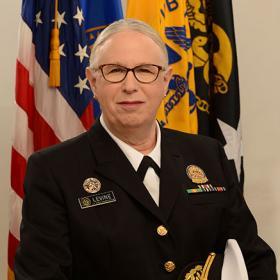
ADM Rachel Levine headshot

Last month I was honored to deliver the keynote address to the American Public Health Association 2023 Annual Meeting held in Atlanta, Georgia. I spoke about an important initiative that we are continuing to develop and the need to take the social determinants of health “to the next level.” To reach the broadest possible audience, I am sharing my remarks from that meeting.

Space Is Still Available for the Next Healthy People 2030 Webinar, “Substance Misuse Prevention Strategies to Improve Public Health: A Focus on State Practices”

Healthy People 2030

Space is still available for the next Healthy People 2030 webinar: Substance Misuse Prevention Strategies to Improve Public Health: A Focus on State Practices. This webinar will take place on Wednesday, December 6 from 2:00 to 3:00 pm ET. To register, please visit the Healthy People 2030 Webinar Series Registration page. Continuing Education Credits (CEs) are available.

Starting at Home — Family-based Interventions Prevent Youth Substance Use

Healthy People 2030

Youth substance use is associated with increased risk for delinquency; academic underachievement; teen pregnancy; sexually transmitted infections; perpetration of, or experience with, violence; injuries; and mental health problems. Youth, parents, and families are key sectors involved in the Drug-Free Communities (DFC) Support Program, the nation’s leading effort to mobilize communities to prevent youth substance use. Preventing or delaying substance use initiation among youth reduces later risk for substance use, substance use disorders, and overdose.  The need for prevention is vital and early intervention is critical for youth.